Facebook
 X
X
 Pinterest
 Copy Link
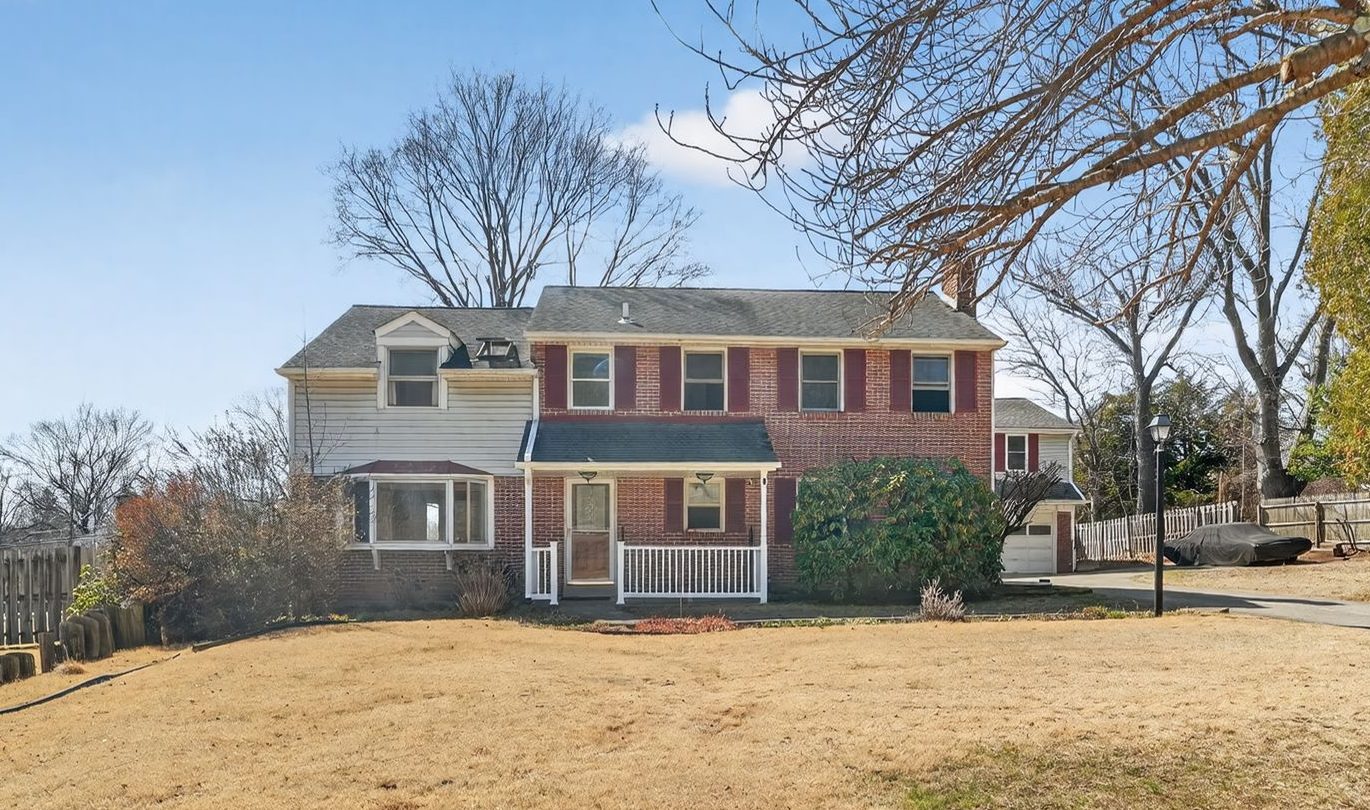
10 Signs It May Be Time to Leave the Family Home—And Why That Isn’t Necessarily a Bad Thing
For many homeowners, the family home represents much more than four walls and a roof.
It’s where children grew up, holidays were celebrated, milestones were reached, and countless memories were made.
That’s why the decision to move later in life can feel incredibly emotional. Leaving a home you’ve loved for decades isn’t simply a real estate decision—it’s a life decision.
But here’s something important to remember:
Moving doesn’t mean leaving your memories behind.
In fact, for many homeowners, rightsizing creates opportunities for more freedom, less stress, greater convenience, and a lifestyle that better aligns with their current goals.
If you’ve been wondering whether your home still fits your needs, here are ten common signs it may be time to start exploring your options.
1. Too Much of Your Home Goes Unused
Many homeowners find themselves living primarily in a few rooms while large portions of the home sit empty.
Extra bedrooms, formal dining rooms, finished basements, and bonus spaces that once served a purpose may now be used only occasionally—or not at all.
If you’re maintaining thousands of square feet you rarely enjoy, it may be worth asking whether your current home still fits your lifestyle.
2. Home Maintenance Is Becoming Overwhelming
Homeownership comes with responsibility.
Lawn care, landscaping, snow removal, housekeeping, repairs, roof maintenance, and ongoing upkeep can become increasingly time-consuming.
Many homeowners tell me they spend more time maintaining their property than enjoying it.
One of the biggest benefits of rightsizing is reducing the amount of time and energy required to care for a home.
3. Stairs Are Becoming More Challenging
You don’t have to be experiencing mobility issues for this to be a consideration.
Many homeowners choose to move before stairs become a problem rather than waiting until they become a necessity.
Single-level living, first-floor primary suites, and homes designed with accessibility in mind can provide both comfort and long-term peace of mind.
4. You’re Spending More Time Managing Your Home Than Living Your Life
Retirement often brings exciting opportunities.
Travel.
Family.
Volunteering.
Hobbies.
New experiences.
If your home constantly demands attention, it may be preventing you from focusing on the things you enjoy most.
Many clients tell me they wish they had made their move sooner because they didn’t realize how much energy their home was consuming.
5. The Home No Longer Matches Your Lifestyle
Life changes.
The home that perfectly accommodated a growing family may not be the ideal space for an empty nester.
Today’s priorities may look very different than they did twenty or thirty years ago.
Rightsizing is often less about age and more about lifestyle alignment.
The question becomes:
Does your home support the way you want to live now?
6. You’re Looking for More Social Opportunities
One of the reasons many homeowners choose active adult communities is the opportunity to connect with others in similar stages of life.
Many communities offer:
- Fitness centers
- Walking trails
- Swimming pools
- Book clubs
- Social events
- Volunteer opportunities
- Tennis and pickleball courts
- Group activities and classes
For some homeowners, moving isn’t just about the house—it’s about the lifestyle that comes with it.
7. You Want Greater Freedom to Travel
Many homeowners dream of traveling more during retirement.
However, leaving a large home unattended can create concerns about maintenance, security, and unexpected repairs.
Townhomes, condominiums, and many active adult communities offer maintenance-free or low-maintenance living, making it easier to lock the door and leave with confidence.
8. You’ve Built Significant Equity
Many homeowners throughout Montgomery County, Bucks County, and surrounding areas have accumulated substantial equity over the years.
That equity can provide flexibility and opportunities.
For some, it creates the ability to purchase a home better suited to their lifestyle.
For others, it may support retirement goals, travel plans, or future healthcare planning.
Understanding your home’s value is often an important first step in evaluating your options.
9. You Want to Be Closer to Family
As priorities evolve, many people find themselves wanting more time with children, grandchildren, and loved ones.
Moving closer to family can provide convenience, support, and opportunities to strengthen relationships.
For some clients, proximity to family becomes one of the most important factors in selecting their next home.
10. You’re Thinking About Moving More Often Than You Used To
This may be the biggest sign of all.