Facebook
 X
X
 Pinterest
 Copy Link
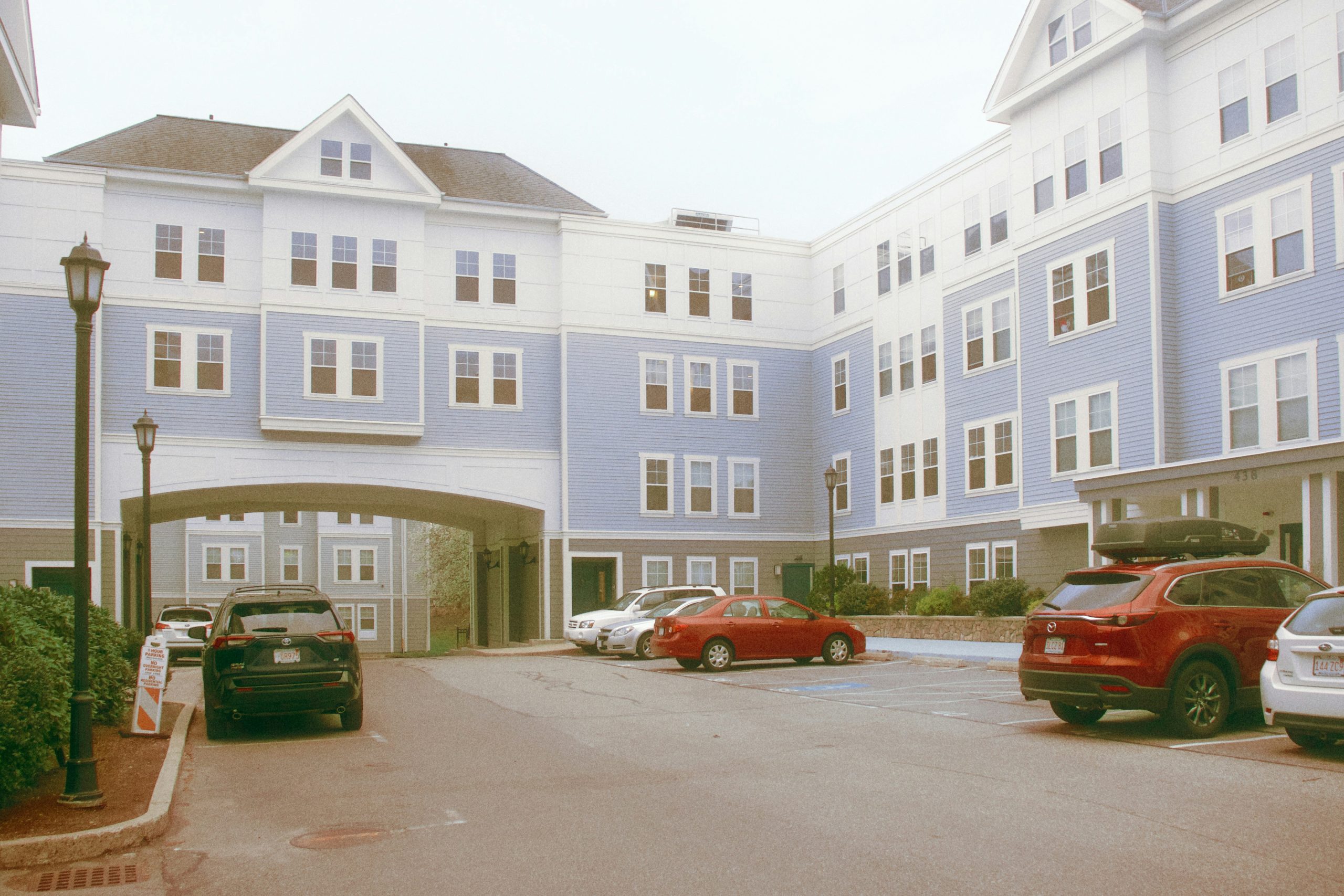
Understanding Senior Living Options: How to Choose the Right Community for Your Next Chapter
One of the most common questions I hear from homeowners considering a move later in life is:
“Should I move to an active adult community now, or should I choose a community that offers care if I need it later?”
It’s an important question—and one that deserves thoughtful consideration.
For many older adults and their families, the next move isn’t just about finding a new home. It’s about planning for a lifestyle that supports independence today while providing peace of mind for the future.
Whether you’re exploring 55+ communities, independent living options, or communities that offer multiple levels of care, understanding the differences can help you make a confident decision.
What Is an Independent Adult Community?
Independent living communities are designed for active adults who want a maintenance-free lifestyle without the responsibilities of a larger home.
These communities are often known as:
- Active Adult Communities
- 55+ Communities
- Independent Living Communities
- Retirement Communities
Residents typically enjoy private homes and continue living completely independently.
Common Housing Styles
Depending on the community, homes may include:
- Single-family detached homes
- Carriage homes
- Twin homes
- Villa-style residences
- Condominiums
- Townhomes
Many communities are designed with first-floor primary suites, open floor plans, modern kitchens, and features that support easier day-to-day living while reducing maintenance responsibilities.
One surprise for many homeowners is that rightsizing does not always mean moving into a smaller or less expensive home. In fact, many active adult and independent living communities offer newer construction, premium amenities, and highly desirable locations, which can result in homes that are similar in size—or even larger—than the homes owners are leaving behind.
Likewise, home prices in these communities can sometimes exceed the value of a client’s current property. While some homeowners are looking to reduce expenses and square footage, others are prioritizing convenience, lifestyle, accessibility, and community amenities over simply downsizing.
Every homeowner’s situation is unique. That’s why our initial consultation focuses on understanding your goals, preferred lifestyle, desired home style, ideal square footage, price range, and long-term plans. Together, we can identify the housing options that best fit both your current needs and your future vision.
Typical Amenities
One of the biggest attractions is the lifestyle.
Many independent communities offer:
- Clubhouses
- Fitness centers
- Swimming pools
- Walking trails
- Pickleball and tennis courts
- Organized social activities
- Hobby and interest groups
- Community events
- Golf access
The goal is to create opportunities for connection, activity, and convenience.
Who Is a Good Candidate?
Independent communities are ideal for individuals who:
- Want less home maintenance
- Are active and social
- Don’t need daily assistance
- Want to simplify their lifestyle
- Are planning proactively for retirement
For many clients, moving to an independent community provides freedom without sacrificing independence.
What Is a Continuing Care Retirement Community (CCRC)?
A Continuing Care Retirement Community (CCRC) offers a different approach.
These communities provide multiple levels of care within one campus or organization, allowing residents to remain in a familiar environment as their needs change over time.
A CCRC may include:
- Independent Living
- Personal Care or Assisted Living
- Memory Care
- Skilled Nursing Care
- Rehabilitation Services
Rather than moving multiple times, residents can often transition between levels of care while staying connected to the same community.
The Benefits of a Community With Multiple Levels of Care
Predictability
One major benefit is having a long-term plan in place.
Instead of navigating a sudden health event or crisis, residents may already have access to supportive services within their community.
Reduced Family Stress
Adult children often feel reassured knowing their parents have options available nearby.
This can reduce uncertainty surrounding future healthcare needs.
Continuity and Familiarity
Remaining within the same community means:
- Familiar neighbors
- Established friendships
- Consistent routines
- Less disruption during life transitions